How a Pizza Restaurant Can Become a Neighborhood Landmark

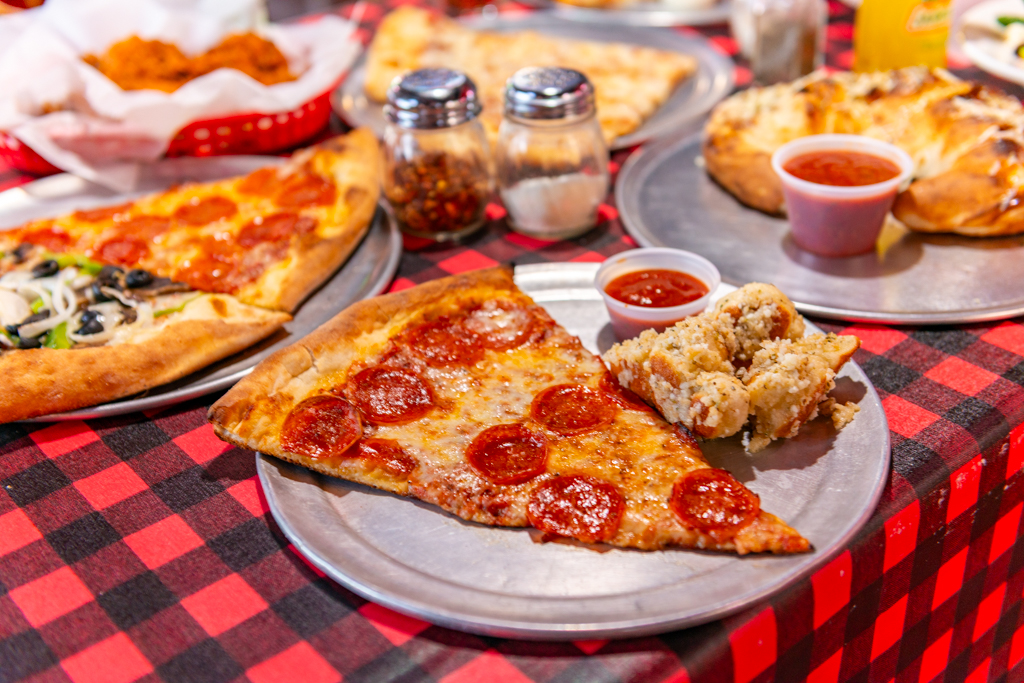
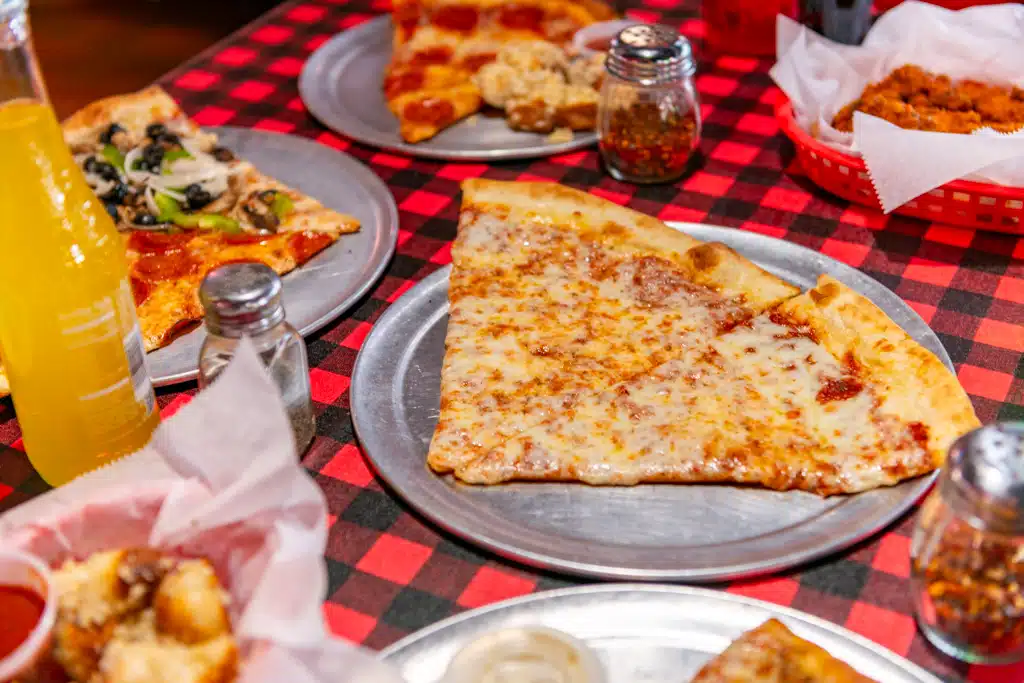
A neighborhood landmark is not simply a business with a familiar sign. It is a place people use as a reference point in conversation, a room they trust for birthdays and bad days, and a name that comes up when newcomers ask where they should eat first. Plenty of pizza restaurants serve competent food. Far fewer become woven into local life.
That difference rarely comes from one dramatic move. It comes from dozens of decisions that compound over time: how the front door feels at 6 p.m. On a Friday, whether the owner knows the teachers from the elementary school down the block, whether the staff can handle a youth soccer rush without losing their footing, whether the crust is as dependable in February as it is in July. A landmark is built through repetition, memory, and usefulness.
Pizza gives operators a strong foundation because it already carries a social function. People order it for celebrations, school nights, team dinners, office lunches, and late arrivals home from work. It is flexible, sharable, and familiar. That makes a pizza restaurant uniquely positioned to become part of the neighborhood’s rhythm, but only if it understands that food quality alone is not enough.
The first requirement is reliability
When people describe a place as special, they often talk about warmth, charm, or history. Those things matter, but reliability is what earns the right to become beloved. If a guest cannot count on the slice tasting right, the dining room feeling clean, and the order arriving close to when promised, affection does not get far.
In practice, reliability is less romantic than many owners hope. It shows up in dough management, ticket timing, oven calibration, staffing plans, and whether the phone is answered by someone who sounds calm instead of cornered. If the restaurant says pickup will take 20 minutes, that estimate needs to mean something. If the menu promises a crisp thin crust, the pie cannot come out pale and limp because the kitchen got swamped.
Guests forgive occasional mistakes. They do not forgive uncertainty. One of the clearest patterns in hospitality is that neighborhoods reward places that remove friction from everyday life. Parents ordering dinner between school pickup and evening activities are not looking for a culinary seminar. They want food that is good every time, simple to get, and worth the money. Earn that trust often enough, and the restaurant becomes the default choice. Default is powerful. It is where landmark status begins.
A strong identity beats a generic concept
Many operators make the mistake of trying to be everything for everyone. Their menu stretches in every direction, their branding is vague, and their dining room looks like a collection of borrowed ideas. A neighborhood usually responds better to clarity.
A pizza restaurant does not need to be narrow, but it should be unmistakable. Maybe it is the old-school red sauce place with excellent garlic knots and booths full of families. Maybe it is the wood-fired spot with naturally leavened dough, local vegetables, and a short wine list. Maybe it is the corner slice shop that stays open later than anything else nearby and knows half its customers by name. Any of those can become a landmark if the identity is coherent.
That identity should show up in the food first. Signature pies matter because they give people a reason to mention the restaurant specifically. “Let’s go there for the hot honey pepperoni” is stronger than “Let’s get pizza somewhere.” Distinctive house details help too: a particular tomato sauce, a memorable meatball recipe, a lunch special that office workers rely on, a seasonal pie that locals wait for every fall.
The room should support that identity rather than compete with it. If the brand is family friendly and relaxed, guests should not feel as if they walked into a self-conscious design exercise. If the restaurant wants to be known for craftsmanship, the open kitchen, dough bench, or oven can quietly tell that story. People absorb more from atmosphere than owners sometimes realize. They notice lighting, sound level, seating comfort, and whether the room feels alive or staged.
The menu has to fit real neighborhood life
There is a practical side to becoming a neighborhood institution: the menu must match how people actually eat in that area. A pizza restaurant near schools and youth sports fields will likely need family bundles, fast pickup, and flexible toppings. One near offices may need slices at lunch, salads that do not feel like an afterthought, and catering that can arrive on time for meetings. A restaurant in a walkable residential district may benefit from an inviting dine-in experience and a few shareable starters that encourage lingering.
This sounds obvious, but many menus are built around operator preference instead of local demand. The result is a restaurant that asks the neighborhood to adapt to it, rather than the other way around.
The strongest menus usually balance personality with utility. They give regulars a few things they can count on every week, plus enough variation to keep interest alive. There is also wisdom in restraint. A pizza restaurant with 75 menu items often struggles to maintain quality, speed, and inventory control. A tighter menu lets the kitchen move with confidence.
Value matters here as well. Value does not mean cheap. It means guests feel the relationship between price and experience is fair. They should understand why a pie costs what it costs. If ingredients are better, portions are generous, and execution is careful, people will often pay more. What they resist is mismatch, such as premium prices attached to average service or a confusing menu that makes ordering feel like work.
Landmark status is built at the front counter
The host stand, cashier station, and phone line do more to shape reputation than many owners admit. In neighborhood restaurants, the front-of-house team often becomes the face of the business, especially for takeout-heavy operations. A warm greeting and smooth transaction can create loyalty faster than a marketing campaign. So can remembering that a regular likes extra chili flakes or that a family always orders half mushrooms because one child refuses them.
These details are not about forced friendliness. They are about recognition. People return to places where they feel seen.
A strong neighborhood pizza restaurant trains for this deliberately. Staff should know how to pace a line, handle complaints without defensiveness, and recover small problems before they become stories customers tell elsewhere. A missing side of ranch is not a crisis, but the tone used to fix it matters. So does how the team behaves when the shop is under pressure. Guests can tell when a crew respects one another. They can also tell when communication is breaking down.
I have seen average locations outperform prettier, better-funded competitors because the team at the counter knew their regulars, handled rushes with composure, and made every transaction feel easy. Convenience alone brings people in. Human recognition brings them back.
The room should invite habit, not just admiration
Some restaurants photograph beautifully and still fail to become part of local life. The common issue is that they were designed for impression rather than use. Seats are uncomfortable, acoustics are punishing, the waiting area clogs the entrance, and families feel vaguely unwelcome even though nobody says so outright.
A landmark pizza restaurant usually gets the fundamentals right. It gives people a reason to stay. Tables are spaced sensibly. Lighting flatters food without making the room feel theatrical. The music level allows conversation. The layout works for solo lunch guests, couples, big family groups, and a teenager grabbing slices after school. Even the restroom matters more than owners would like. Clean, well-kept basics communicate respect.
Small physical choices often carry disproportionate weight. A visible pizza oven can create energy. A counter where kids can watch dough being stretched turns a routine pickup into a memory. A few stools by the window can make the place feel active from the street. A wall of local team photos, old neighborhood snapshots, or framed notes from longtime customers can root the restaurant in place without looking contrived.
The goal is not nostalgia unless the restaurant has genuinely earned it. The goal is familiarity. People become attached to spaces that support their routines.
Community presence has to be real
Every operator says they want to be part of the community. The phrase is overused because it often masks shallow outreach. Sponsoring one Little League banner and posting about it online does not make a business central to neighborhood life. Consistent participation does.
The most effective community involvement usually looks practical rather than flashy. A pizza restaurant might feed teachers during parent conference week, stay open a little later after high school games, host a fundraiser night that is simple for the school to use, or donate pies to a local block cleanup. None of these acts need fanfare. In fact, they work better when they feel like an extension of the restaurant’s role rather than a branding exercise.
There is also a difference between supporting the community and interrupting it. People are quick to sense when a business uses local events mainly as backdrops for self-promotion. It is smarter to ask a simple question: what does this neighborhood genuinely need from us, and what can we reasonably provide well?
A few forms of local engagement tend to work especially well for a pizza restaurant:
- Supporting schools, youth teams, and parent groups with straightforward fundraising nights
- Partnering with nearby businesses for cross-referrals or simple shared promotions
- Providing dependable catering for neighborhood events, office gatherings, and civic meetings
- Offering the dining room as a comfortable meeting point for local clubs during slower hours
- Showing up repeatedly, not just during grand opening season or holidays
The pattern matters more than the individual act. When residents encounter the restaurant in many corners of local life, the business stops feeling separate from the neighborhood and starts feeling native to it.
Staff longevity becomes part of the brand
Guests notice when the same faces are around year after year. It tells them the place is stable, well run, and worth investing in emotionally. In hospitality, where turnover can be high, staff longevity is one of the clearest signals that something healthy is happening behind the scenes.
That stability does not happen by accident. A pizza restaurant that wants to become a landmark needs systems that support the people doing the work: fair scheduling, decent training, clear expectations, and a culture that does not rely on chaos as a badge of honor. The kitchen rush will always be intense, but intensity is not the same as dysfunction.
Regular customers build attachments to employees as much as to food. They ask for a familiar server, joke with the bartender, or wave at the prep cook visible in the back. Over time, these relationships create a sense of continuity. The restaurant becomes one of the few semi-public places where people are known by others outside their home or workplace. That is significant. It is part of why neighborhood restaurants can feel emotionally important.
Owners sometimes focus so heavily on concept and marketing that they overlook this. Yet if the team is constantly changing, the business keeps resetting its personality. A landmark needs recognizable stewards.
A smart pizza restaurant respects both dine-in and off-premise guests
Modern neighborhood life depends on flexibility. Some nights people want the social comfort of a dining room. Other nights they need dinner on the table fast. A pizza restaurant that handles both experiences well has a major advantage.
The challenge is that dine-in, takeout, and delivery can pull the operation in different directions. A packed dining room wants hospitality and pacing. Takeout demands accuracy and speed. Delivery, whether managed in-house or through third-party platforms, introduces packaging, transit time, and margin concerns. Many shops underperform because they treat off-premise orders as an add-on instead of a core operational channel.
Packaging deserves more attention than it often gets. Pizza travels reasonably well, but not all styles travel equally. Venting, box quality, timing, and load order matter. So does what should and should not be on the menu for delivery. A delicate salad, a pie that loses texture quickly, or a fried appetizer that steams itself soggy might work beautifully in the dining room and disappoint 15 minutes later in a car.
This is where judgment matters. Not every sale is a good sale if it damages the guest experience. Some restaurants earn long-term trust by narrowing their delivery radius, trimming travel-sensitive items, or being conservative with quoted times on peak nights. Those choices may reduce short-term volume, but they protect reputation, which is a far more valuable asset for a neighborhood business.
The restaurant needs a point of view on price
Landmark status is not reserved for bargain operators, but price confusion can stop momentum cold. Guests can adapt to high prices if they perceive quality, atmosphere, and service as clearly better. They can also flock to modestly priced places that execute simple food exceptionally well. What hurts is drift, when pricing rises faster than the experience improves or the menu becomes crowded with low-conviction items meant to hit every price point.
A pizza restaurant should understand what role it wants to play in the neighborhood economy. Is it the reliable weekly family meal? The special Friday night out? The premium craft pie destination? The late-night https://manueloppb482.theglensecret.com/what-makes-a-pizza-restaurant-a-favorite-among-foodies slice stop? Each role implies different pricing logic, labor needs, and portion decisions.
Transparency helps. Guests read menus carefully, especially in categories they know well. If a cheese pizza is priced above local expectations, there needs to be a visible reason, better ingredients, larger size, stronger hospitality, or an experience people cannot get elsewhere. Otherwise the restaurant starts every transaction on the defensive.
It also helps to have at least a few obvious value entries, especially if the goal is neighborhood breadth. A weekday lunch combo, a children’s option that is not insultingly small, or a family bundle that simplifies ordering can widen access without undermining margins across the board.
Marketing matters, but memory matters more
Many owners ask how to market their way into becoming a neighborhood landmark. The honest answer is that marketing can create awareness, but memory creates attachment. People remember a place because their child had a birthday there, because the staff saved their usual booth, because they picked up pizzas after every school play, because the owner sent over knots while they waited during a storm-delay rush.
That does not mean promotion is irrelevant. It means promotion should amplify what is genuinely happening in the business. A pizza restaurant benefits from a clean digital presence, accurate hours, solid photography, and responsive communication. If online ordering is clunky or the business information is inconsistent across platforms, the restaurant creates needless friction. But the substance has to come first.
The most effective habits are often simple:
- Keep online hours, menus, and ordering links accurate at all times
- Photograph real food and real spaces, not an idealized version guests will not recognize
- Respond to reviews with restraint, especially criticism
- Share local stories, staff milestones, and community moments that actually reflect the business
- Make it easy for first-timers to understand what to order and why the place is distinct
A neighborhood landmark does not need to sound louder than everyone else. It needs to sound like itself.
Time is part of the recipe
There is no shortcut around this. Landmarks are not declared. They are noticed after enough time has passed for the restaurant to prove it belongs. During that period, consistency matters more than novelty. The operators who win are usually the ones who resist unnecessary reinvention and instead keep sharpening the essentials.
Over a few years, a pizza restaurant begins to collect layers. The booth where a couple always sits becomes “their booth.” The kid who once watched dough being tossed at the counter shows up in a high school jersey. Staff members greet former residents who stop by when they are back in town. The restaurant accumulates stories, and stories are the real architecture of landmark status.
This does not mean change is bad. Menus evolve, dining rooms get refreshed, systems improve. But the core promise has to remain recognizable. Guests want to feel that the place they loved is still there, just run a little better.
What neighborhoods really adopt
A neighborhood does not adopt a restaurant simply because the food is good. It adopts a place that solves practical needs, offers emotional familiarity, and behaves like a responsible local citizen. For a pizza restaurant, the opportunity is unusually strong because pizza already lives at the intersection of routine and celebration. It belongs to weeknights and milestones at the same time.
The operators who turn that opportunity into something lasting tend to understand a few durable truths. People want a place that is easy to trust. They want food that fits their lives, not just the chef’s ambition. They remember faces, gestures, and reliability more vividly than slogans. They reward businesses that show up steadily and without pretense.
If a pizza restaurant can deliver strong food, dependable service, a clear identity, and real usefulness to its immediate surroundings, the neighborhood will do the rest. It will recommend the place, defend it, celebrate it, and fold it into daily language. That is when a restaurant stops being just another option for dinner and becomes part of the map people carry in their heads.
RUFFRANO'S HELL'S KITCHEN PIZZA Security
385 Main St, Colorado Springs, CO 80911
(719) 390-4355
FAQ About pizza restaurant
Is there a Hell's Kitchen pizza restaurant in Security-Widefield?
Yes. Ruffrano's Hell's Kitchen Pizza has a Security-Widefield location at 385 Main St.
Where can I find pizza delivery in Security-Widefield?
Ruffrano's Security location offers online ordering. Enter your address at checkout to check delivery availability and fees.
Where can I find gluten-free pizza in Security-Widefield?
Ruffrano's menu lists a 12-inch gluten-free option. Call the Security location to confirm availability and ask about shared equipment if cross-contact is a concern.